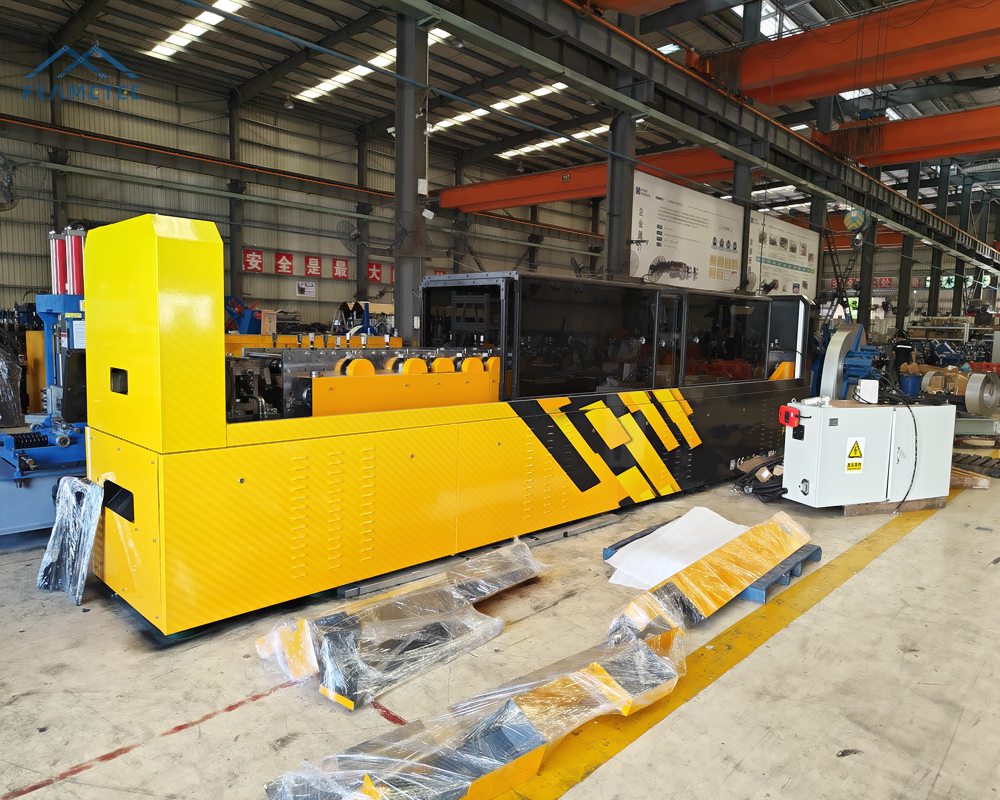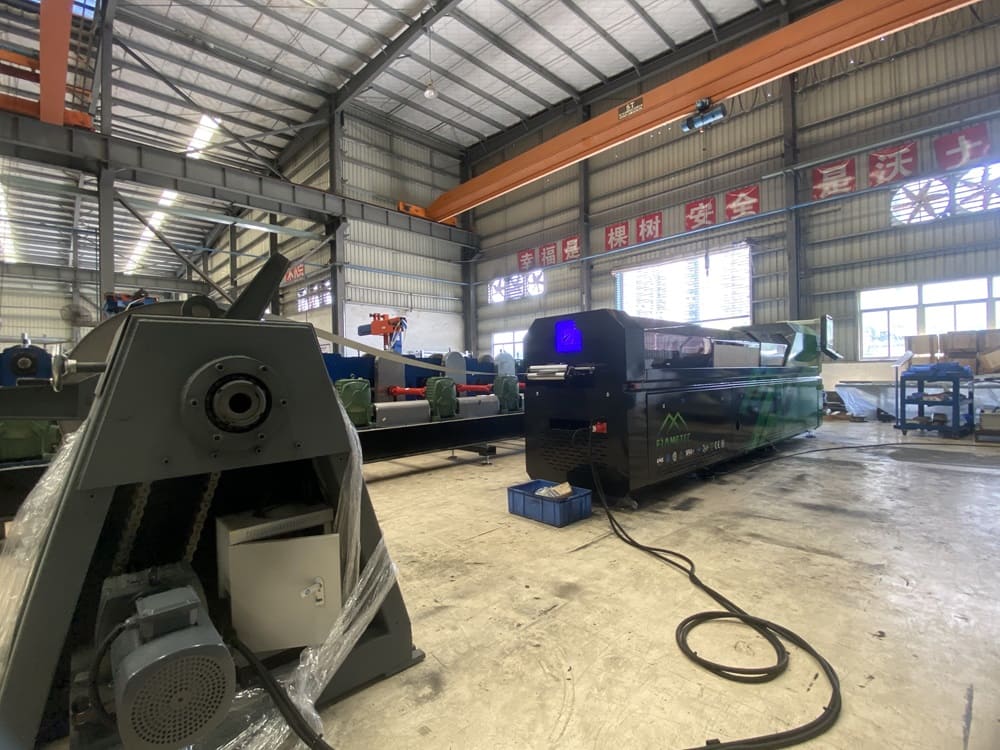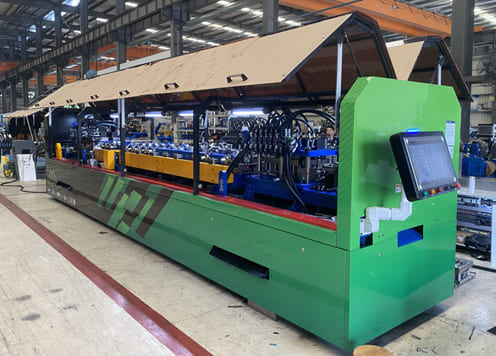
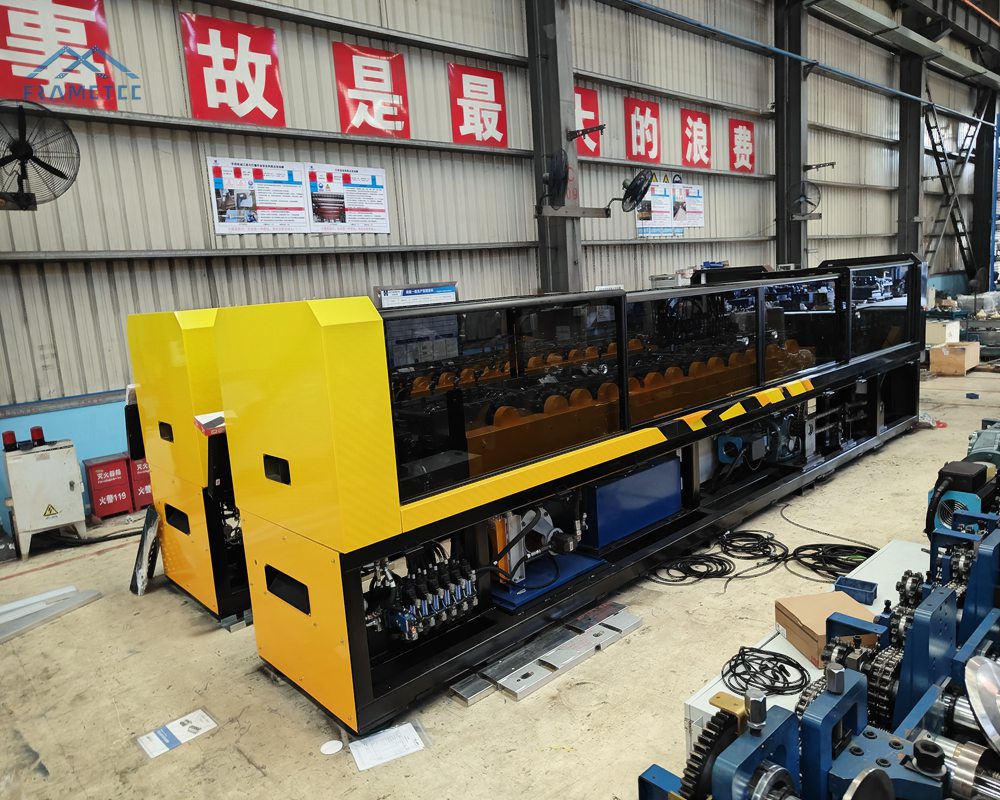
As the light steel framing industry continues to expand, more manufacturers are moving away from fixed, single-profile production and investing in multi profile light steel framing machines. This shift is not only about flexibility. It reflects how the market itself is changing.
Today’s buyers often need to produce for villas, modular buildings, residential housing, light commercial structures, and custom framing packages. That means factories must respond to different profile requirements quickly and reliably. A machine limited to one profile can be useful in some situations, but for growing factories, flexibility increasingly becomes a strategic advantage.
What Is a Multi Profile Light Steel Framing Machine
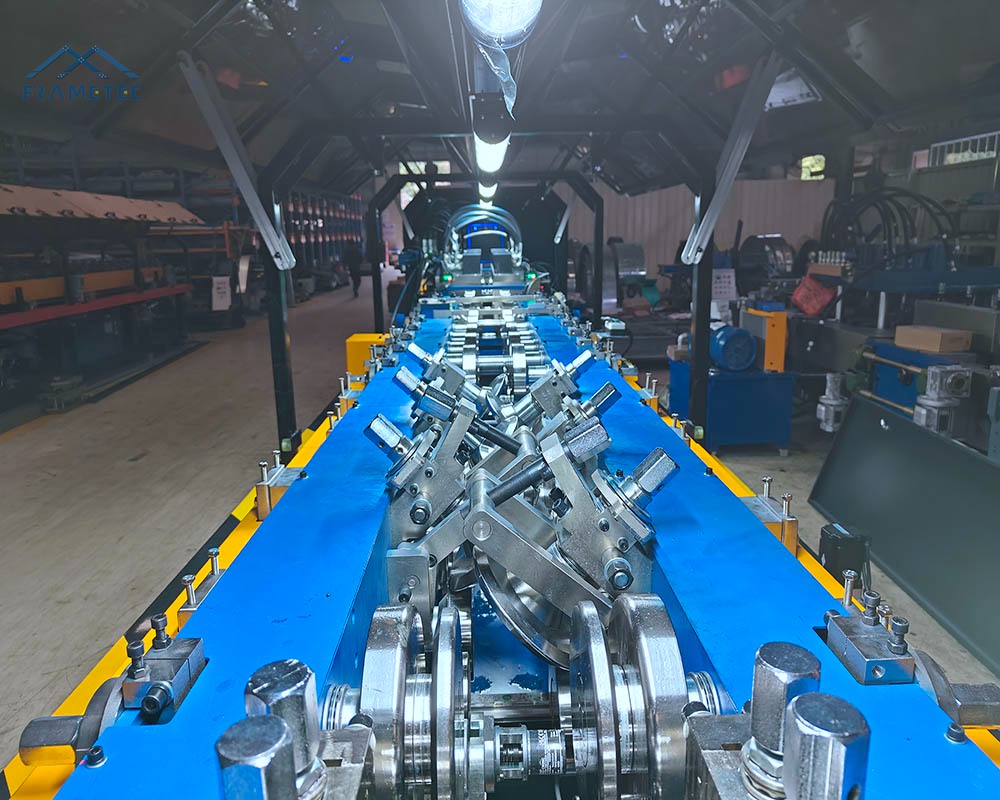
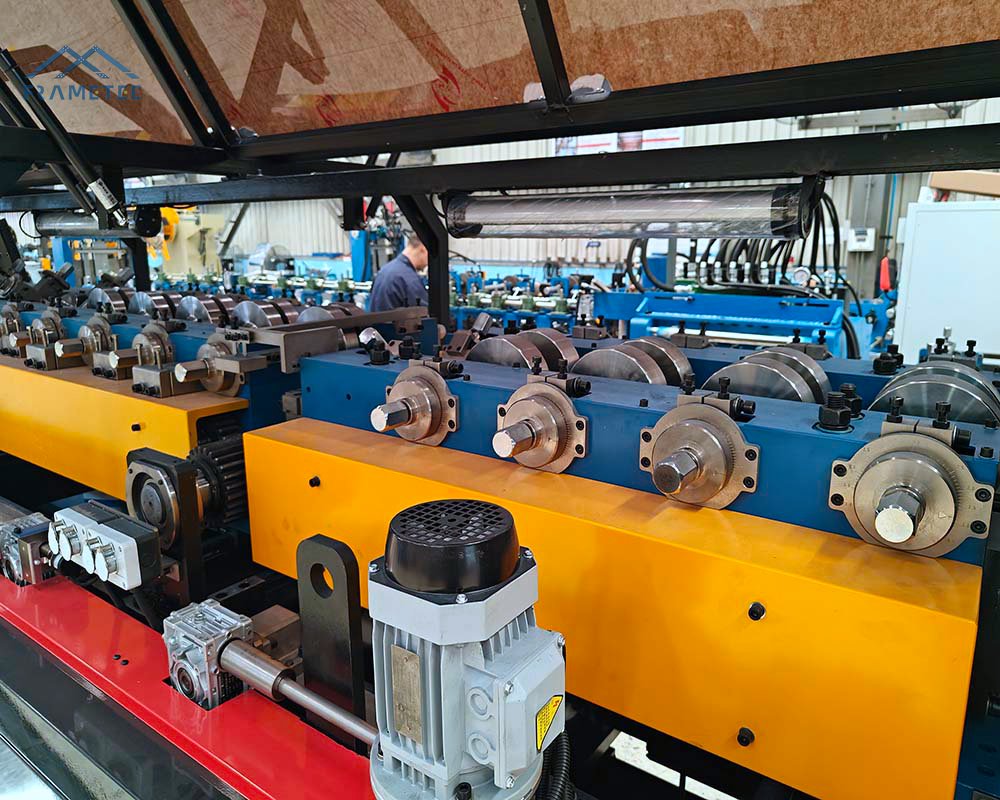
A multi profile machine is designed to produce several profile sizes or different section variations within one system. Instead of building the production model around a single repeated profile, the factory can switch according to project requirements.
This is particularly valuable when a company serves:
- multiple project types
- multiple markets
- changing customer requirements
- customized design systems
Why the Market Is Moving Toward Flexibility
In the past, some factories focused on one standard framing output. That approach still works in highly repetitive production environments. However, current construction trends show stronger demand for:
- diversified project types
- smaller but more customized orders
- modular and off-site construction
- quicker response to design changes
As a result, a machine that can only make one profile may restrict the business over time.
Main Advantages of Multi Profile Machines
Wider Product Range
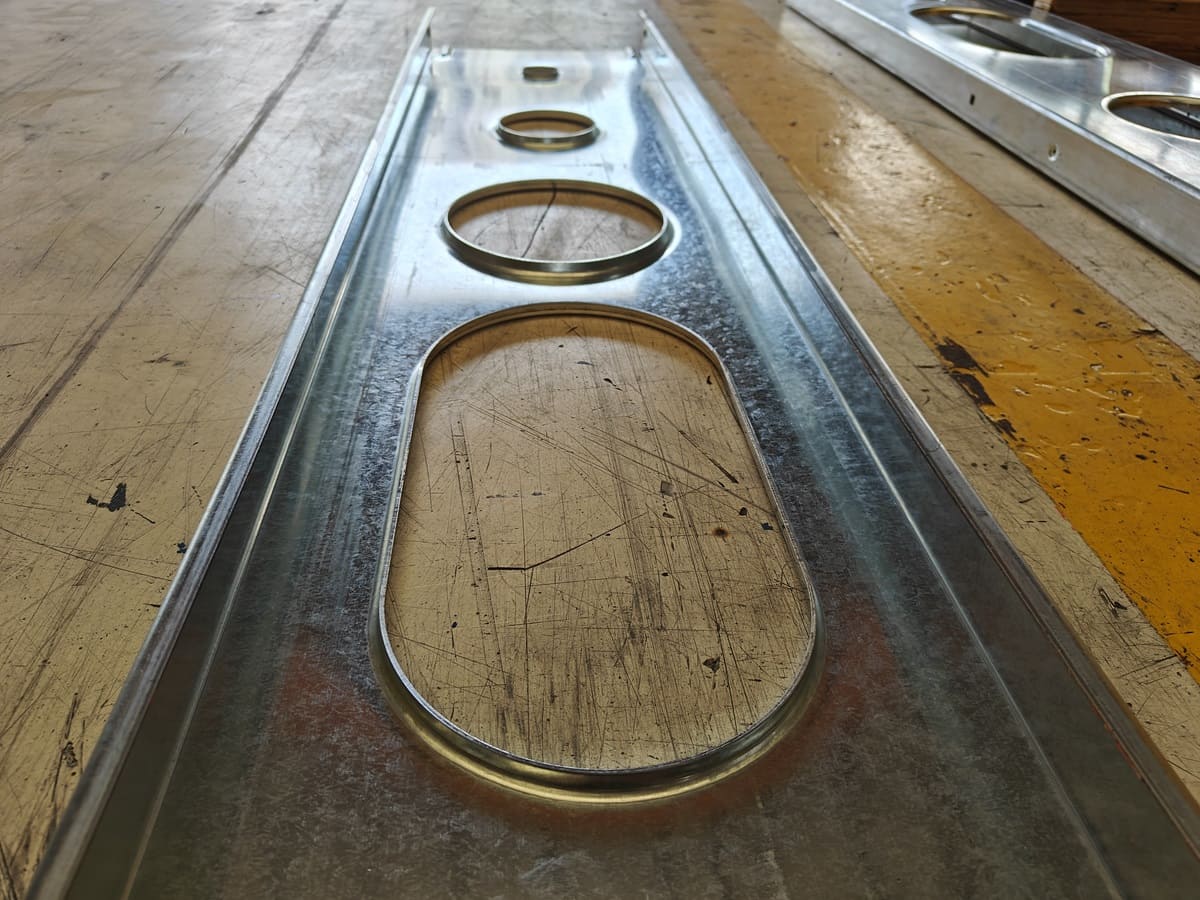
A multi-profile machine allows the factory to serve more than one product category. Instead of limiting production to a fixed framing specification, the company can produce for various housing and building applications.
This creates stronger business resilience and makes it easier to enter new segments.
Better Suitability for Custom Projects
Not every customer needs the same framing solution. Modular builders, villa projects, and regional construction systems often require different profile combinations. A multi-profile machine gives the factory greater ability to match project needs.
Stronger Long-Term Scalability
A growing factory needs equipment that supports future expansion. The ability to handle multiple profile sizes helps the business move into larger, more complex, or more diverse projects without changing the entire production direction.
Improved Utilization of Production Capacity
When production is limited to one profile, machine use may be affected by fluctuations in that product’s demand. A multi-profile system allows the factory to distribute production across different orders more efficiently.
When a Single Profile Machine Still Makes Sense
Single profile machines still have value. They are often suitable when:
- production is highly standardized
- the factory focuses on one main framing product
- the order structure is repetitive
- simplicity is preferred over flexibility
For some businesses, especially those starting with a very clear product focus, a single profile machine may remain a practical solution.
Why Growing Factories Usually Prefer Multi Profile Systems
The moment a company begins taking on:
- customized framing orders
- export market requirements
- villa and modular projects
- different profile specifications
the limitations of fixed production become more visible.
A multi-profile system is often chosen not because a factory needs every function immediately, but because the factory wants to avoid future constraints.
Role in Modern Light Steel Framing Production
Modern framing businesses are no longer built only around machine output. They are built around response speed, project adaptability, and system coordination.
A multi-profile machine supports this shift by allowing production systems to align more closely with:
- design variation
- application diversity
- market changes
- long-term factory planning
Frametec and Multi Profile Framing Direction
For a supplier like Frametec, multi-profile framing machines fit naturally into the needs of customers who want to do more than basic repetitive production. They are especially relevant for businesses targeting modular building, prefab villas, and more flexible framing packages.
A multi profile light steel framing machine is not always necessary for every factory. But for companies planning to grow, diversify, and serve more complex building applications, it often becomes the more practical and future-oriented choice.
In a market where flexibility increasingly shapes competitiveness, multi-profile production is becoming less of an upgrade and more of a strategic standard.
FAQ
What is the difference between a multi profile machine and a single profile machine?
A single profile machine is designed to produce one fixed profile, while a multi-profile machine can produce multiple profile sizes or section variations. The main difference is flexibility. A multi-profile system is more suitable for companies serving different project types or customized framing demands.
Is a multi profile machine better for modular construction?
In many cases, yes. Modular construction often requires different framing components for walls, floors, roof systems, and structural assemblies. A multi-profile machine gives the manufacturer greater freedom to support these different requirements more efficiently.
Does a multi profile machine reduce the need for multiple separate machines?
It can, depending on the production scope. For many factories, a multi-profile machine helps reduce the need to invest in separate systems for each profile variation. However, specialized applications such as dedicated floor joist production may still require additional equipment in some cases.
Is a multi profile machine only for large factories?
No. It is not only for large factories. Smaller or mid-sized companies may also benefit from multi-profile capability if they plan to serve diverse projects or want to prepare for future expansion. The key question is not factory size alone, but how much production flexibility the business needs.
What types of projects benefit most from multi profile framing machines?
Projects with design variation usually benefit the most. These include prefab villas, modular homes, customized residential systems, export framing packages, and businesses serving multiple building standards or customer groups.
Does a multi profile machine make production more complicated?
It may involve a more advanced production system, but that does not necessarily mean it becomes impractical. In many cases, the added flexibility is worth the extra system capability, especially for businesses that need to adjust their output across different orders.
Can a factory grow faster with a multi profile machine?
A multi-profile machine can support faster growth because it reduces product limitations. It allows the factory to respond to different market opportunities more easily, which can improve customer coverage and project range over time.
What should a buyer check before investing in a multi profile machine?
Buyers should check profile range, changeover logic, material thickness capability, production stability, software integration, target applications, and how well the machine matches their actual order structure. The decision should be based on business direction, not only machine features.
Is a single profile machine still a good choice in some markets?
Yes. If the market demand is highly standardized and repetitive, a single profile machine can still be efficient and economical. It is especially suitable for factories that want straightforward production with limited product variation.
Why are more factories choosing multi profile systems now?
Because project diversity is increasing. Buyers want machines that support more than one product type, more than one building application, and more than one future business path. Multi-profile systems help factories stay competitive in that environment.