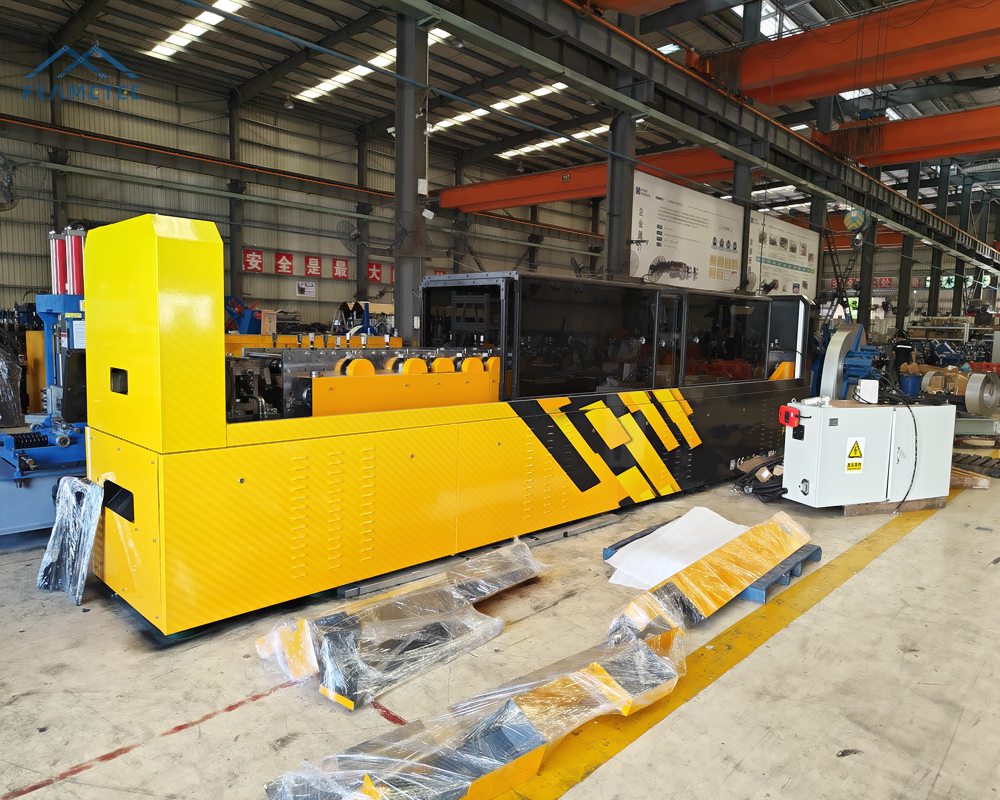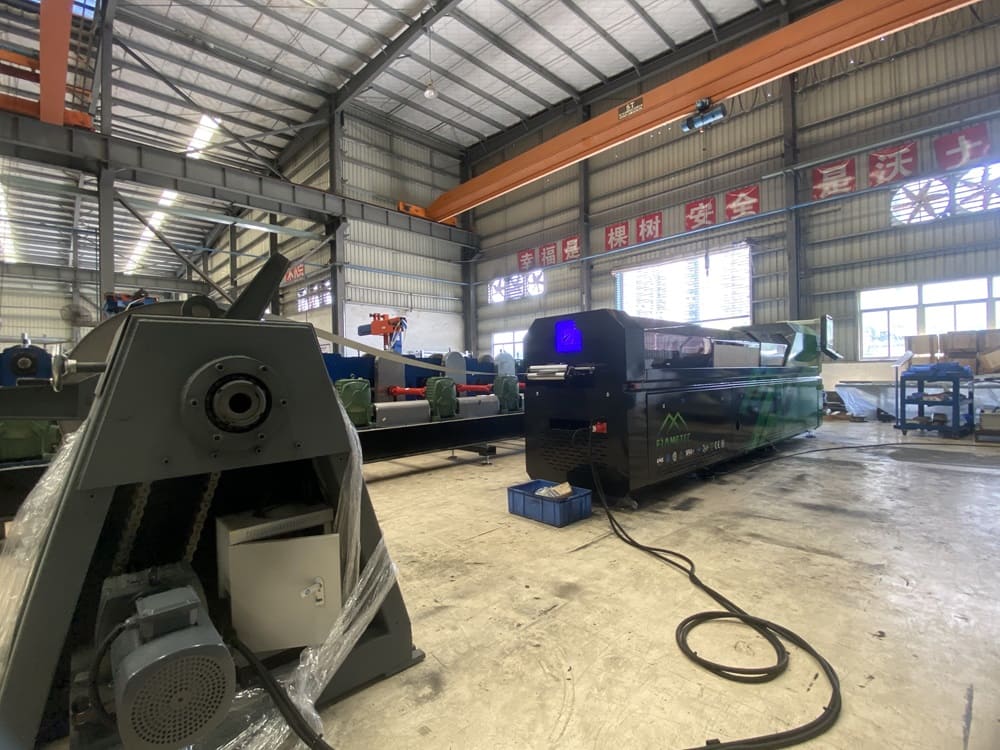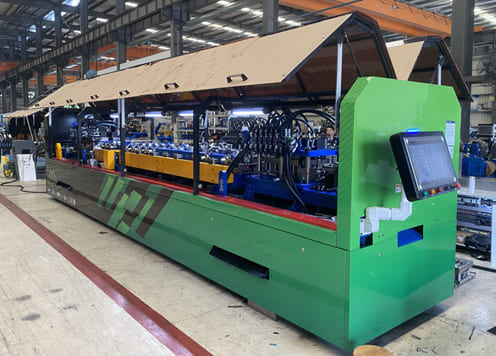
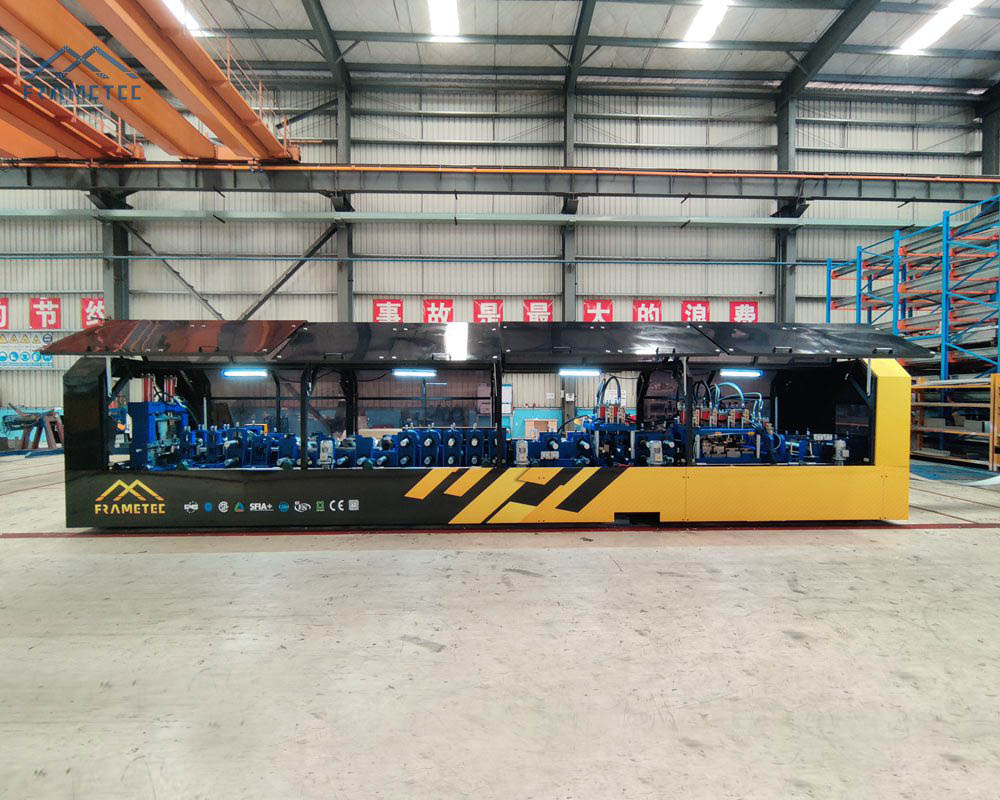
The growth of prefabricated construction and off-site building methods has changed how structural components are manufactured. Instead of relying entirely on on-site fabrication, more companies are moving structural production into controlled factory environments. In this process, light steel framing machines have become one of the most important production tools.
They do not simply form steel profiles. They help create a more organized, precise, and scalable way of building.
The Shift from Site-Based Work to Factory-Based Production
Traditional construction often depends on extensive manual labor on-site. This can lead to longer schedules, inconsistent quality, and higher dependence on local labor conditions.
Off-site construction changes that model. Structural components are produced in advance, transported to the site, and then assembled more efficiently. This approach improves:
- time control
- production consistency
- project coordination
- material efficiency
For this reason, prefab and modular construction systems often rely on machinery capable of delivering repeatable framing output.
Why Light Steel Framing Fits Prefab Construction
Light gauge steel framing is especially suitable for prefab production because it combines:
- dimensional accuracy
- standardized manufacturing
- relatively efficient assembly
- compatibility with digital design workflows
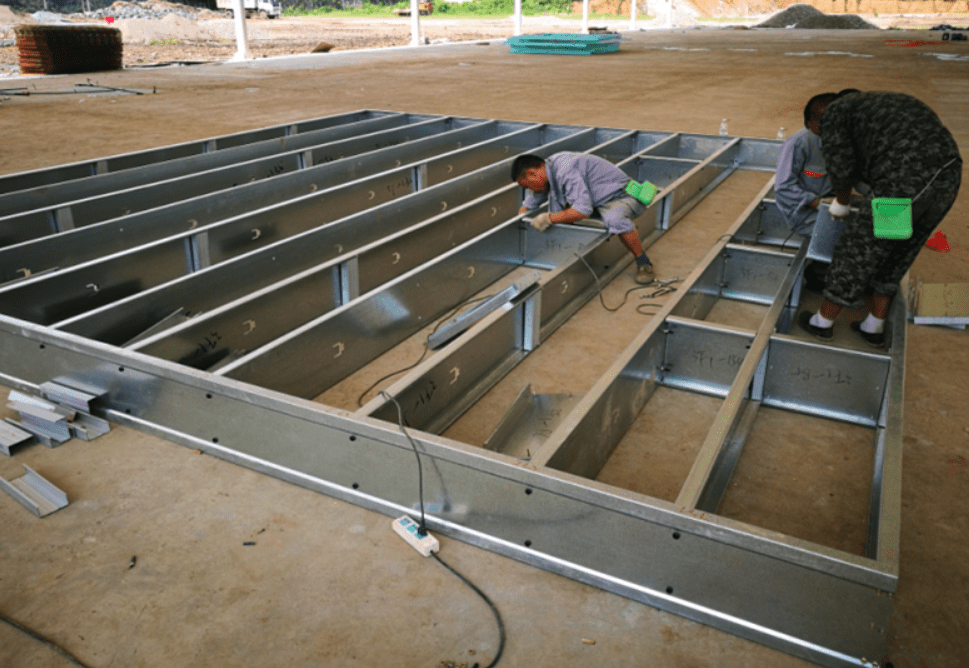
When profiles are manufactured correctly in a factory setting, the construction process becomes more predictable. This is one of the main reasons why light steel framing is increasingly used in modular houses, prefab villas, panelized construction, and off-site building systems.
What Light Steel Framing Machines Contribute
Precision in Structural Components
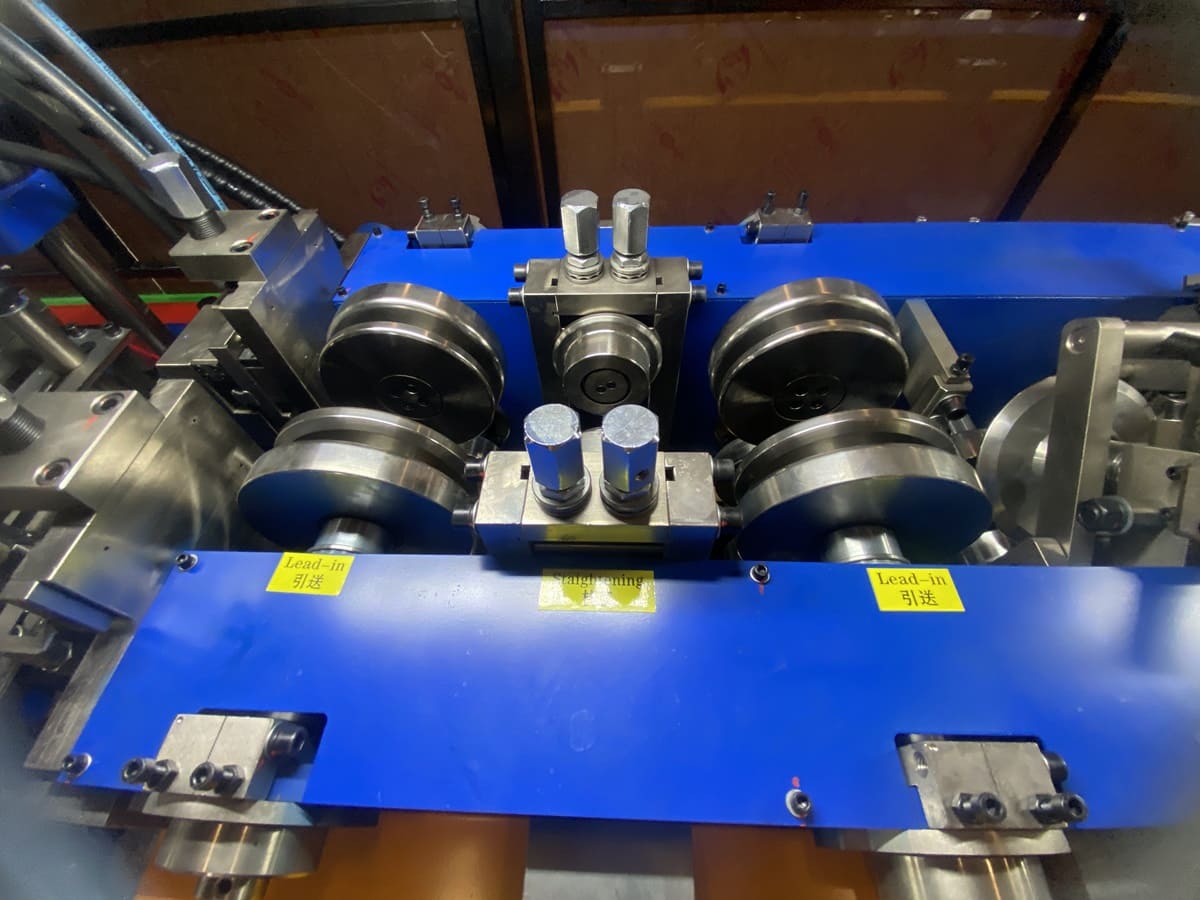
For off-site construction, every component must fit within a coordinated system. If the dimensions are inconsistent, assembly becomes slower and more difficult. Light steel framing machines support this process by producing profiles according to structured production data.
Faster Manufacturing Workflow
Instead of fabricating framing components one by one on-site, machines make it possible to manufacture structural members continuously in a factory. This supports higher throughput and more stable planning.
Better Standardization
Prefab systems rely on repeatability. Machines help maintain consistency across wall frames, floor elements, and roof components, which is essential when multiple modules or repeated units are involved.
Reduced Dependence on Site Labor
One of the strongest advantages of off-site construction is that it reduces the pressure of on-site labor shortages. By moving more work into a machine-supported factory environment, companies can improve efficiency and reduce variability.
Typical Applications in Off-Site Construction
Light steel framing machines are widely used in:
- modular homes
- prefab villa systems
- wall panel production
- floor framing packages
- roof truss structures
- light commercial prefab buildings
These applications show how framing machines support not just one product, but a broader production model.
Importance of System Integration
In modern prefab construction, the machine is only one part of the workflow. The full value comes from connecting:
- design
- data
- machine production
- assembly preparation
That is why system thinking is important. A good light steel framing solution should fit naturally into the broader production process rather than working as an isolated machine.
Why This Matters for Manufacturers
Manufacturers that want to serve the prefab and off-site market need more than basic forming capability. They need production systems that support:
- multiple project types
- efficient planning
- consistent quality
- scalable factory output
A framing machine becomes more valuable when it strengthens the full production model.
Frametec in the Context of Off-Site Building
For a site like Frametec, this direction is highly relevant because its light steel framing products are closely connected to the needs of prefab, modular, and panelized building manufacturers. The message should not only be about the machine itself, but about how the machine supports modern construction methods.
Light steel framing machines are becoming central to prefab and off-site construction because they help transform building from a largely site-based process into a more industrialized manufacturing system.
For manufacturers entering this sector, the real advantage is not only faster profile production. It is the ability to build a more controlled, repeatable, and scalable construction workflow.
FAQ
Why are light steel framing machines important in prefab construction?
They are important because prefab construction depends on repeatable, accurate, factory-made structural components. Light steel framing machines help produce these components efficiently, which improves assembly speed and reduces inconsistencies during the building process.
What is the connection between LGS machines and off-site construction?
Off-site construction means structural elements are produced away from the final job site, usually in a factory. LGS machines make this possible by manufacturing framing components in a controlled environment, which helps improve precision and production efficiency.
Can light steel framing machines be used for modular building production?
Yes. They are widely used for modular building systems because modular projects require standardized, accurate framing components that can be produced in advance and assembled later. Multi-profile systems are especially useful in modular production.
What parts of a prefab building can be produced with light steel framing machines?
Depending on the system, machines can produce wall framing components, roof structures, floor members, bracing elements, and other structural profiles used in residential, villa, modular, and light commercial projects.
Why is factory-based framing production better than on-site fabrication?
Factory production usually provides better control over accuracy, workflow, and consistency. It can reduce delays caused by labor conditions, weather, and job-site limitations. It also helps standardize output across repeated building units.
Do framing machines reduce construction time?
Yes, in many cases they do. Because structural components are manufactured in advance, on-site assembly becomes faster. The full project timeline can be improved when factory production and site preparation are coordinated properly.
Are light steel framing machines only for large prefab factories?
No. While large factories may use them at greater scale, smaller and mid-sized manufacturers can also benefit, especially if they want to move toward panelized or modular construction methods.
How does software fit into prefab framing production?
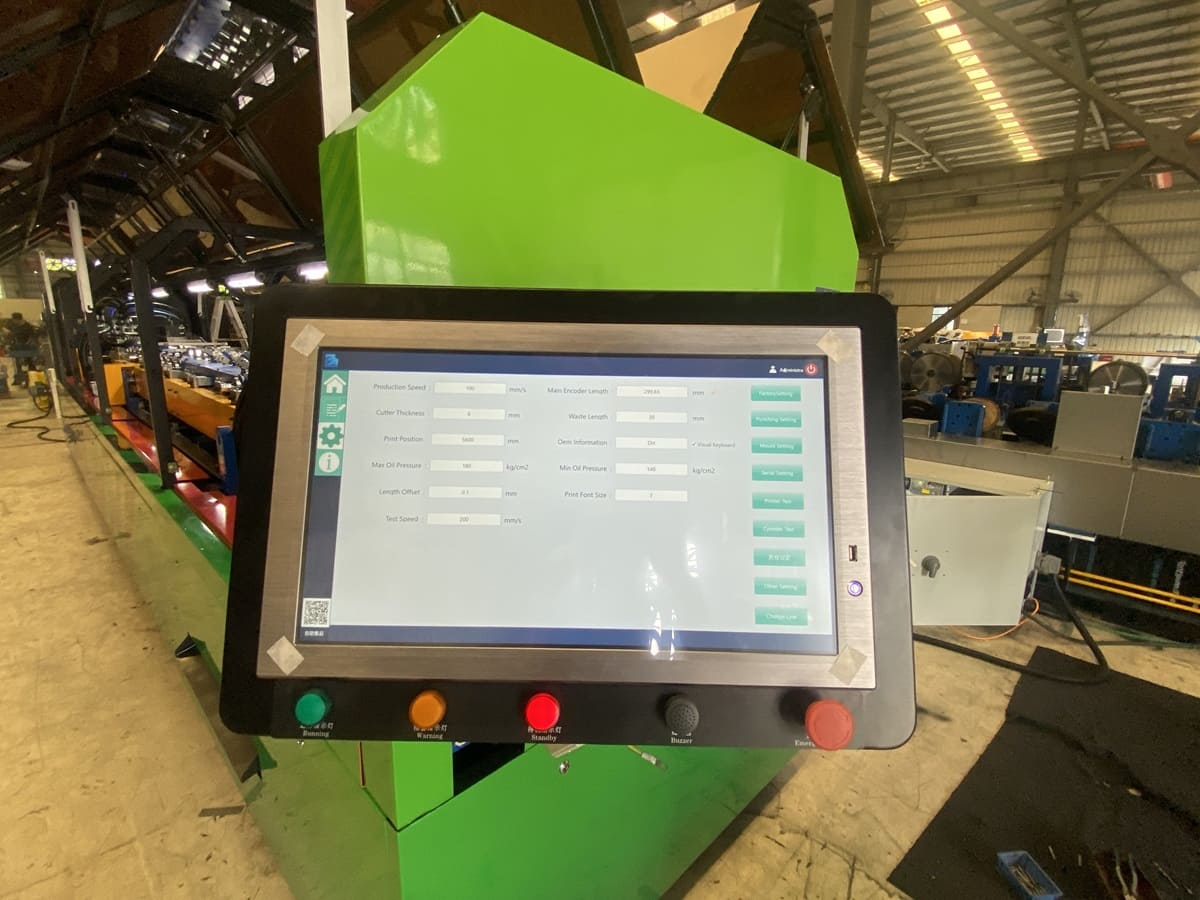
Software is important because modern prefab production often begins with digital design. The framing machine must work as part of a structured workflow where design data is translated into production-ready output. This improves speed and reduces manual interpretation.
What should a prefab manufacturer consider before choosing a framing machine?
A manufacturer should consider project type, product range, flexibility needs, structural requirements, software workflow, future expansion plans, and supplier support. The best solution is the one that strengthens the total production process.
Is a light steel framing machine just a machine or part of a bigger system?
It should be seen as part of a bigger system. In modern prefab and off-site construction, the machine creates value when it is integrated into design, planning, manufacturing, and assembly processes.