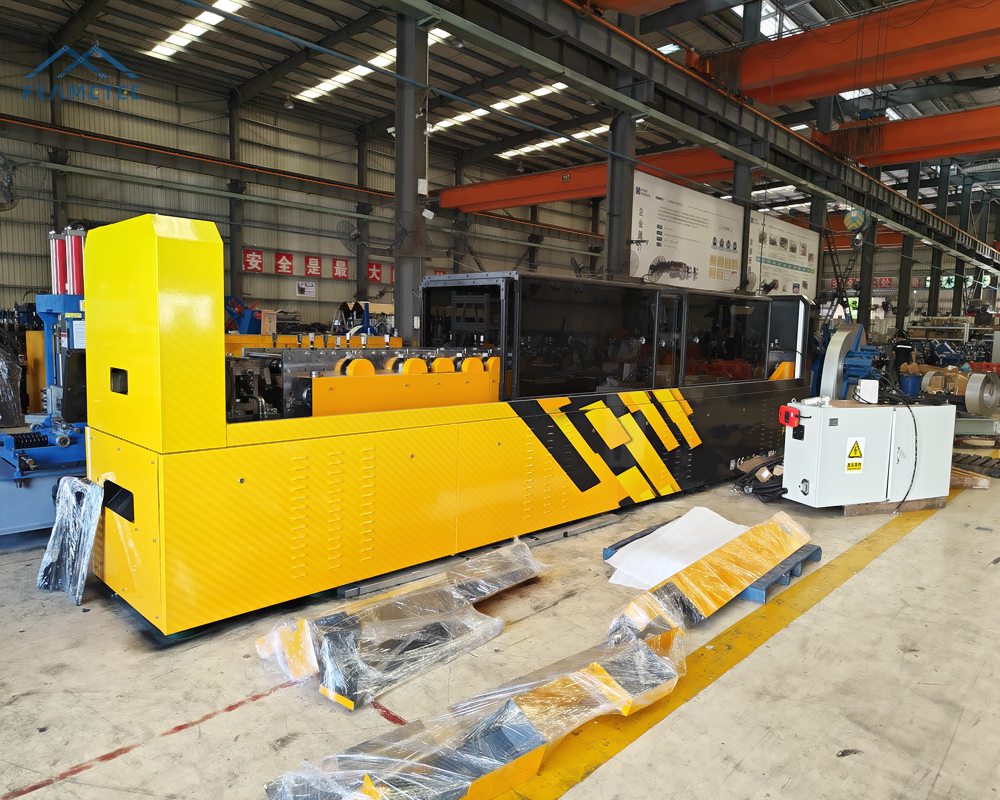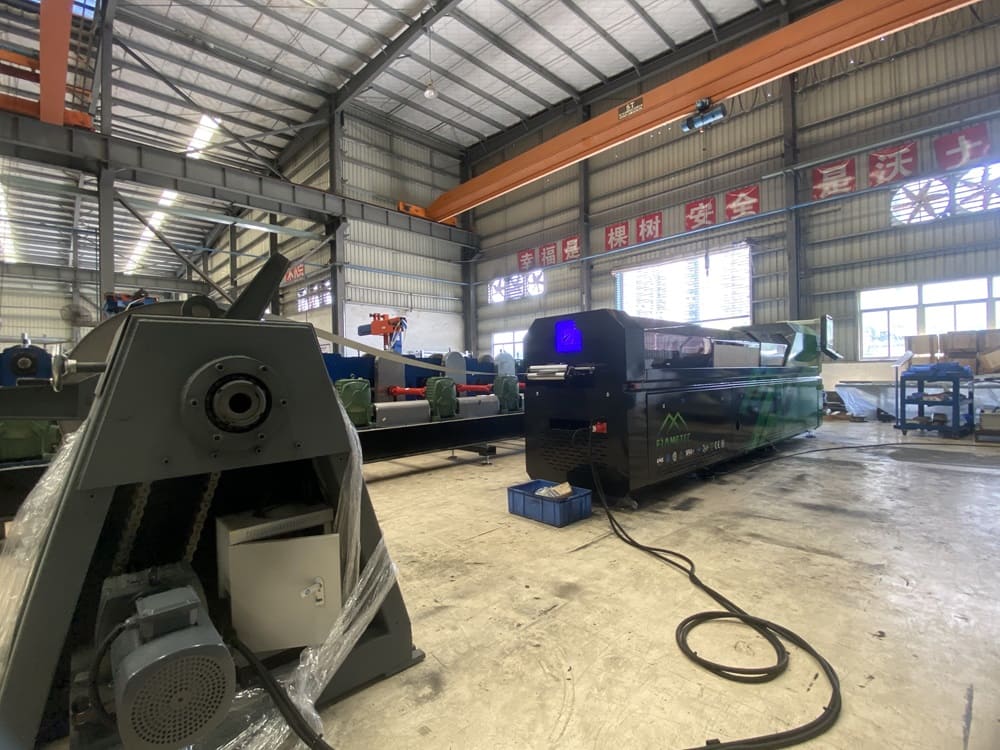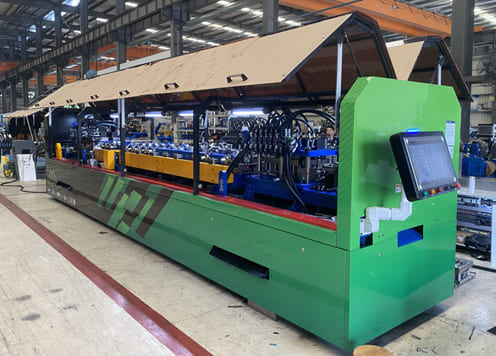
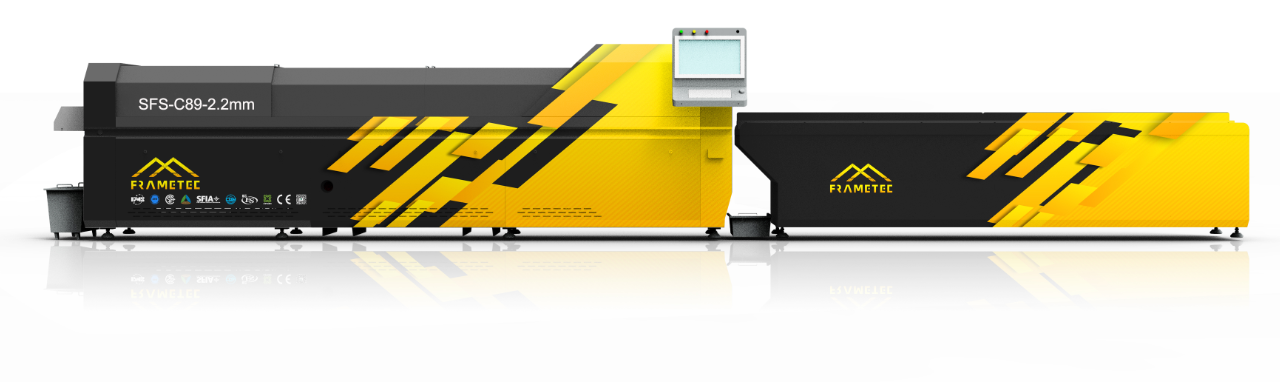
Choosing the right light steel frame machine is one of the most important decisions for companies entering the cold-formed steel construction industry. A suitable machine does not only affect production speed. It also determines the types of buildings you can manufacture, the level of design flexibility you can support, and the long-term scalability of your business.
For many buyers, the challenge is not whether to invest in light gauge steel framing technology, but which type of machine is the best match for their actual project requirements.
Why Machine Selection Matters
Not every project needs the same production system. A machine that performs well for standard wall framing may not be ideal for floor joists, modular housing, or multi-storey structures. If the machine is too basic, production flexibility becomes limited. If the machine is oversized for the target market, the investment may not be efficient.
That is why buyers should evaluate machines based on project type, structural requirements, product range, and growth plans rather than looking at the machine as a single standalone piece of equipment.
Different Project Types Require Different Machine Solutions
Residential Housing and Villas
For low-rise residential construction, the most common requirement is stable production of wall frames, studs, tracks, and roof components. In this case, a standard or multi-profile light steel frame machine is often the most suitable option.
These projects usually require:
- consistent dimensional accuracy
- flexible profile sizes
- efficient production for repeated housing units
- compatibility with design software
For villa projects, design variation is more common, so multi-profile capability is especially valuable.
Modular Building Production
Modular construction requires a more integrated approach. The machine must support repeatable production while also adapting to different module layouts, connection details, and structural assemblies.
For modular building manufacturers, the preferred solution is usually a multi-profile automated LGS machine because it allows:
- multiple profile sizes
- fast changeover between different components
- better production planning
- support for off-site construction workflows
Floor Systems and Joists
Not all light steel framing systems focus only on wall framing. In many prefab and modular projects, floor joists are equally important. A dedicated floor joist machine is often required when the business focuses on structural floor systems, cassette floors, or higher load-bearing applications.
In these situations, buyers need to consider:
- profile depth
- material thickness range
- structural load requirements
- integration with the overall framing system
Light Commercial and Multi-Storey Structures
When the project moves beyond simple low-rise housing, structural demands increase. Light commercial buildings and multi-storey projects often require heavier profiles and thicker material.
For these applications, heavy-duty LGS machines are more suitable because they provide:
- stronger forming capability
- support for thicker steel
- more stable structural performance
- suitability for larger building systems
Single Profile or Multi Profile
This is one of the most common purchasing questions.
A single profile machine is suitable for buyers with standardized, repetitive production. It is simpler and usually more direct for factories with one main product type.
A multi-profile machine is more suitable for companies that want to produce different profile sizes for multiple projects. It offers greater flexibility and helps businesses respond to different building designs and customer requirements.
For many growing businesses, multi-profile machines are the better long-term choice because they support expansion and broader market coverage.
Factors Buyers Should Evaluate Before Choosing
Before selecting a light steel frame machine, buyers should review several points carefully:
1. Target Buildings
Will the machine be used for villas, modular homes, low-rise buildings, floor systems, or light commercial projects?
2. Profile Range
Does the machine need to produce one profile or multiple profiles?
3. Material Thickness
Different building applications require different thickness ranges. A machine for light residential framing may not be enough for heavier structural work.
4. Production Flexibility
If the company will handle customized buildings, machine flexibility becomes more important than simple fixed production.
5. Software Compatibility
Modern framing production depends on accurate data transfer from design software to the machine. Compatibility with design workflow is essential.
6. Future Expansion
A machine should match not only the current business but also the company’s future growth plans.
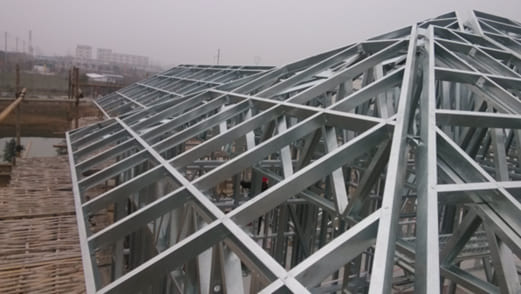
Frametec’s Position in This Process
For buyers evaluating light steel framing solutions, Frametec’s product structure is useful because it covers different segments of the market, from standard light steel framing to more complex project needs. This makes it easier for buyers to move from entry-level production into more advanced applications without completely changing their production direction.
The right light steel frame machine is not simply the one with the most functions. It is the one that matches your project type, production model, and long-term business direction.
A clear understanding of your end market will help you choose a machine that supports not only current orders, but also future growth in residential, modular, and structural framing applications.
FAQ
What is the best light steel frame machine for residential housing?
For residential housing, the best choice is usually a standard or multi-profile light steel frame machine that can produce wall framing components efficiently and accurately. If the housing designs are repetitive, a single-profile machine may also work well. If the business handles different building layouts, a multi-profile machine is generally a better fit.
How do I know whether I need a single profile or multi profile machine?
This depends on your production model. If you produce the same profile continuously for standardized projects, a single profile machine can be sufficient. If you need to support different wall systems, customized villas, or modular building components, a multi-profile machine is more suitable because it allows greater flexibility.
Can one machine produce wall frames, roof components, and floor structures?
In some cases, one machine can handle a broad range of framing components, especially when it is designed as a multi-profile system. However, for dedicated floor joists or heavier structural elements, some manufacturers may also use specialized machines depending on the project requirements.
What thickness range should I consider when choosing an LGS machine?
The required thickness range depends on the target buildings. Light residential projects often use lighter gauge material, while heavier structural or multi-storey projects require machines that can process thicker steel. Buyers should match the thickness capability of the machine to the structural requirements of their market.
Is a heavy-duty LGS machine necessary for every business?
No. A heavy-duty machine is usually necessary only when the business focuses on larger load-bearing structures, light commercial buildings, or more demanding multi-storey applications. For standard residential and villa projects, a regular or multi-profile LGS machine is often enough.
Why is software compatibility important in light steel framing production?
Software compatibility matters because modern production is based on digital design and CNC data transfer. If the machine can work smoothly with the design process, production becomes faster, more accurate, and more scalable. Without good integration, manual adjustments may slow down the workflow.
What should buyers look for besides machine specifications?
In addition to specifications, buyers should also consider machine stability, supplier experience, production flexibility, technical support, operator training, and how well the machine fits their actual target market. The best machine is not always the most complex one. It is the one that supports real business needs.
Can I start with a basic machine and expand later?
Yes. Many businesses start with a machine suited to their initial product range and then expand as they gain more experience and larger projects. However, if future expansion is already part of the business plan, it can be more efficient to choose a machine with stronger flexibility from the beginning.
What types of buyers usually invest in light steel frame machines?
Typical buyers include prefab housing manufacturers, modular building companies, steel villa producers, cold-formed steel contractors, and construction businesses that want to move part of their production from site work to factory manufacturing.
How can a supplier help me choose the right machine?
A good supplier should first understand your target application, structural requirements, product range, and future goals. Instead of only recommending a machine by price or speed, the supplier should guide you toward a production solution that matches your market.