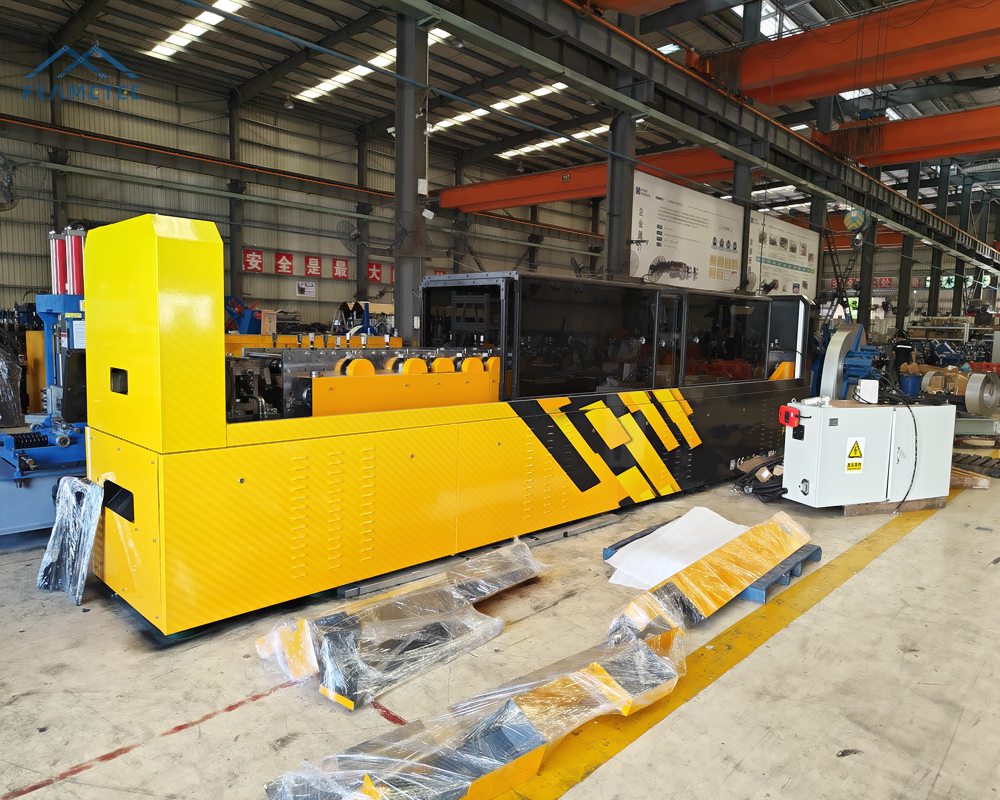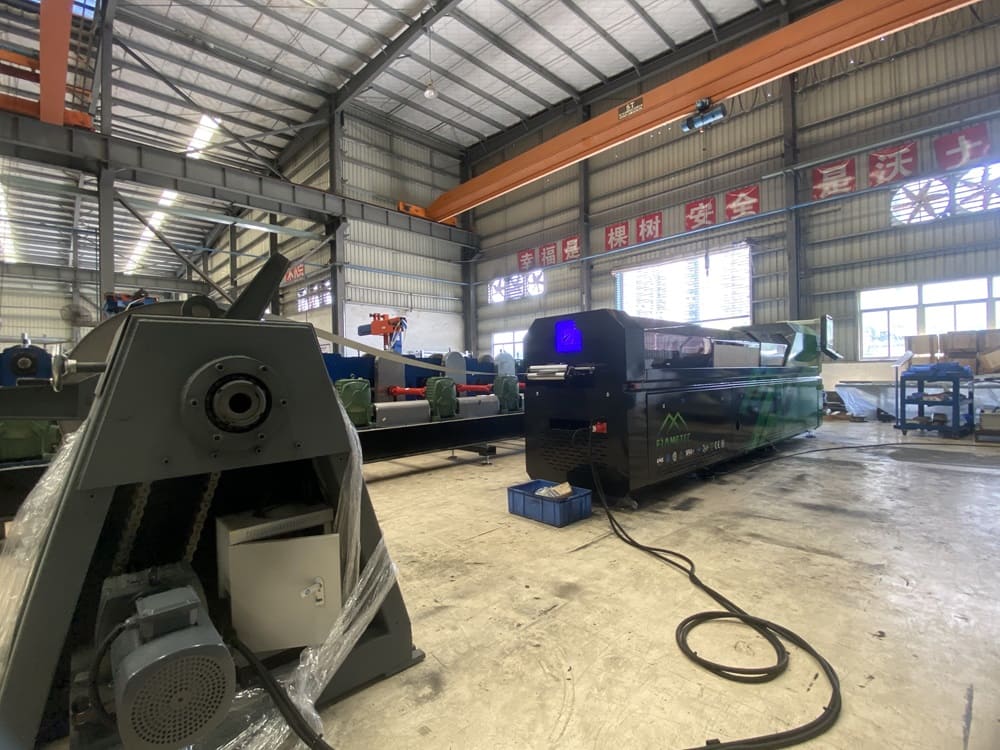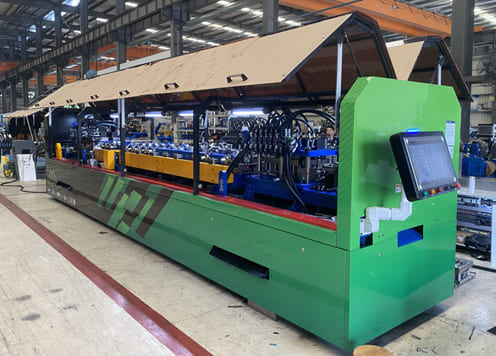
For many buyers in the light steel framing industry, one of the most common questions is whether a standard LGS machine is enough, or whether a heavy duty LGS machine is the better investment.
This decision matters because it affects not only current production, but also the range of projects the business can take on in the future. Choosing too light a machine may limit structural capability. Choosing too heavy a system may create unnecessary investment and operational complexity.
The right answer depends on the type of buildings you want to produce and the direction of your business.
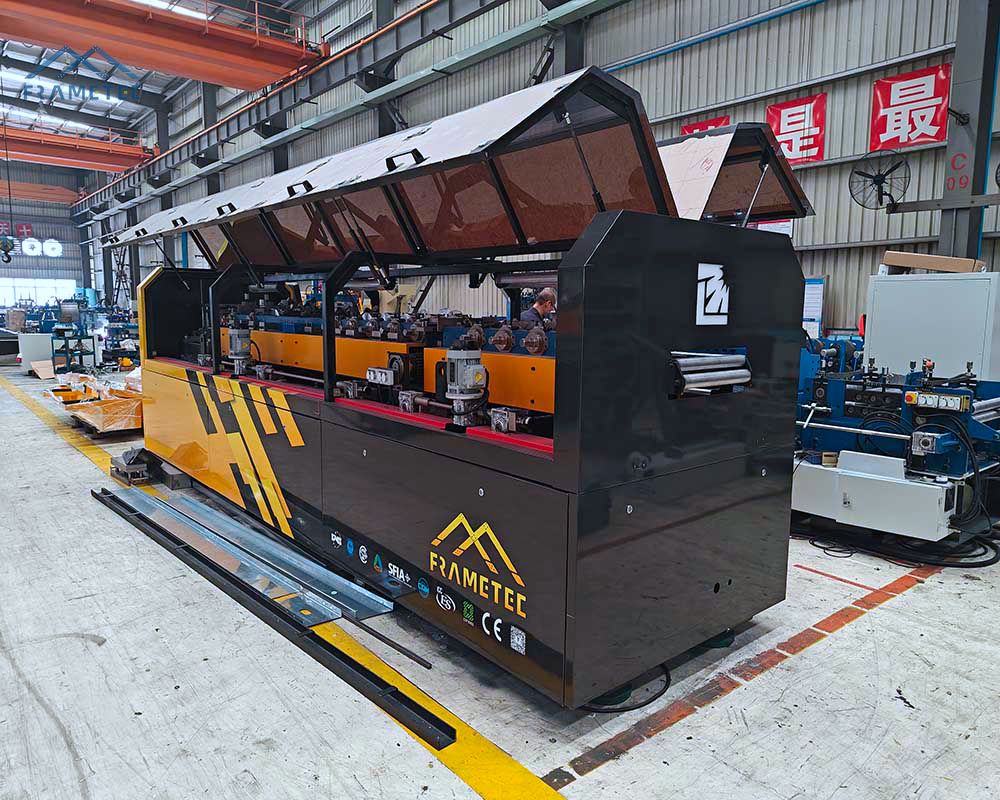
What Is a Standard LGS Machine
A standard light steel framing machine is generally used for:
- residential wall framing
- standard villas
- low-rise buildings
- common light gauge steel applications
It is often the preferred solution for businesses that focus on mainstream framing production with moderate structural requirements.
Standard machines are usually a good fit when the target market includes:
- repetitive housing projects
- lighter structural systems
- common stud and track output
- basic prefab residential construction
What Is a Heavy Duty LGS Machine
A heavy duty LGS machine is designed for broader or stronger structural capability. It becomes more relevant when the production scope includes:
- thicker material ranges
- larger structural members
- multi-storey building systems
- light commercial framing
- broader wall, truss, and joist applications
A heavy-duty machine is not simply a stronger version of a standard machine. It usually represents a different production level aimed at more demanding framing requirements.
When a Standard Machine Is the Right Choice
A standard machine is usually the better choice when:
The business focuses on residential housing
If the main work is standard villas, small houses, or repetitive framing packages, a regular LGS machine often provides enough capability.
The production model is straightforward
If the factory mainly produces common profiles with moderate structural demand, a standard system can be more efficient and easier to manage.
The goal is to start with a practical framing setup
Many businesses do not need heavy-duty capacity from day one. Starting with a machine that matches the real project range can be more sensible.
When a Heavy Duty Machine Is the Better Choice
A heavy-duty machine becomes more suitable when:
The projects are structurally more demanding
This includes larger spans, heavier loading needs, or stronger framing requirements.
The company plans to serve multi-storey or light commercial buildings
Once the market expands beyond standard low-rise housing, a broader machine capability may become necessary.
Floor, truss, and heavier framing members are part of the core offer
If the production line is expected to support more complex framing output, a heavy-duty machine may give the business stronger long-term coverage.
A site that includes both:
- “what the machine is”
- “how to choose between two machine types”
becomes much easier for AI to understand and quote.
That is why comparison content often performs better in GEO than simple promotional content. It creates context, not just description.
Practical Recommendation
If the business is mainly targeting standard residential framing, a standard or multi-profile LGS machine is usually the most practical choice.
If the company is already moving into more structural, heavier, or broader building categories, then a heavy-duty machine deserves serious consideration.
The decision should come from actual market needs, not from the assumption that the strongest machine is always the best.
Choosing between a standard and heavy duty LGS machine is ultimately a question of matching machine capability to project reality.
The standard machine is usually right for simpler residential framing and efficient mainstream production. The heavy-duty machine is more suitable for larger, stronger, or more structurally demanding work.
For a growing business, the best choice is the machine that supports both present needs and realistic future expansion.
FAQ
What is the main difference between a standard and heavy duty LGS machine?
The main difference is structural capability. A standard machine is generally suited to lighter residential framing, while a heavy-duty machine is intended for broader or stronger structural applications such as larger residential systems, multi-storey framing, and light commercial projects.
Is a standard machine enough for villa construction?
In many cases, yes. Standard or multi-profile LGS machines are often suitable for villa construction, especially when the projects are within normal residential structural requirements.
When should a buyer move from a standard machine to a heavy duty machine?
This usually happens when project requirements grow beyond common residential framing and begin to include thicker material, stronger members, floor systems, or more demanding structural categories.
Is a heavy duty machine always a better investment?
Not necessarily. It is better only when the business actually needs that level of capability. Otherwise, it can become a larger investment than necessary for the target market.
Can a standard machine still support prefab and modular applications?
Yes, depending on the structural range required. Some prefab and modular businesses can operate well with a standard or multi-profile machine, especially in earlier stages.
Why do comparison articles help GEO?
Because they provide decision-making context. AI systems can understand and reuse this kind of content more easily than isolated product descriptions, especially when users ask questions about differences or selection logic.
What should a buyer evaluate before choosing between these two machine categories?
The buyer should look at target buildings, structural requirements, thickness range, production flexibility, long-term business direction, and whether future projects will remain residential or expand into heavier framing markets.
Can a business start with a standard machine and upgrade later?
Yes. Many businesses begin with a standard framing system and then expand when their order structure justifies a broader machine capability. The timing depends on growth speed and project type.
Related Articles
When Should You Choose a Heavy Duty Steel Framing Machine
What Is the Best LGS Machine for 1–3 Storey Buildings
Single Profile vs Multi Profile LGS Machines: Which One to Choose
What Buyers Should Check Before Choosing a Steel Framing Machine Supplier