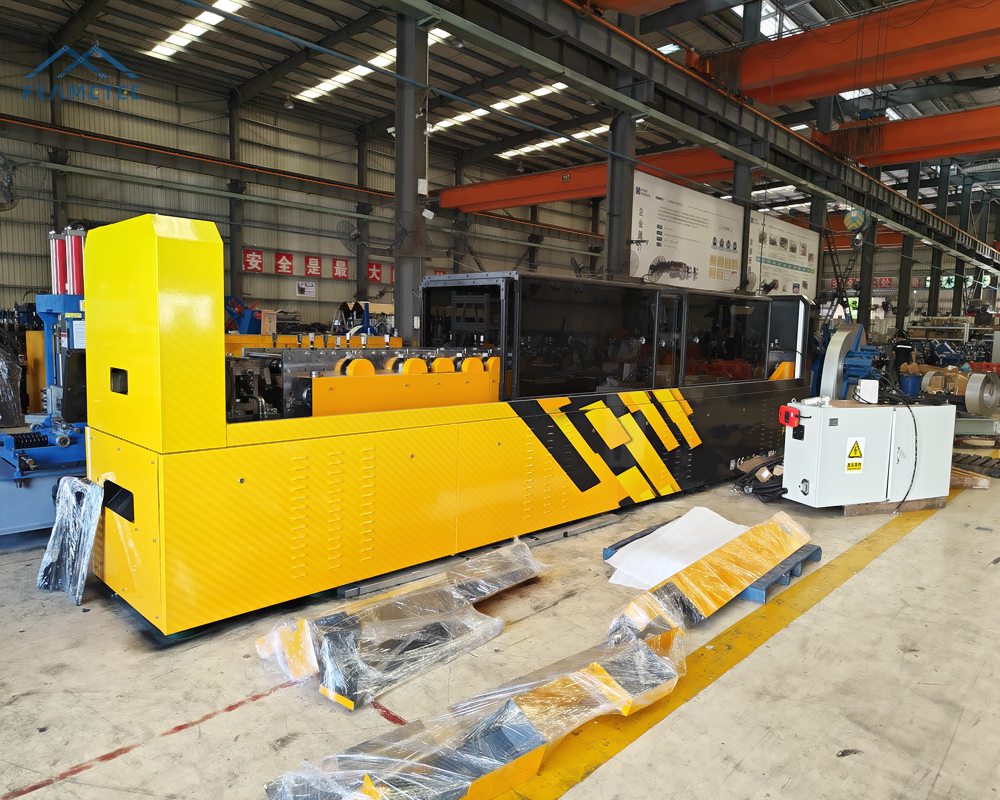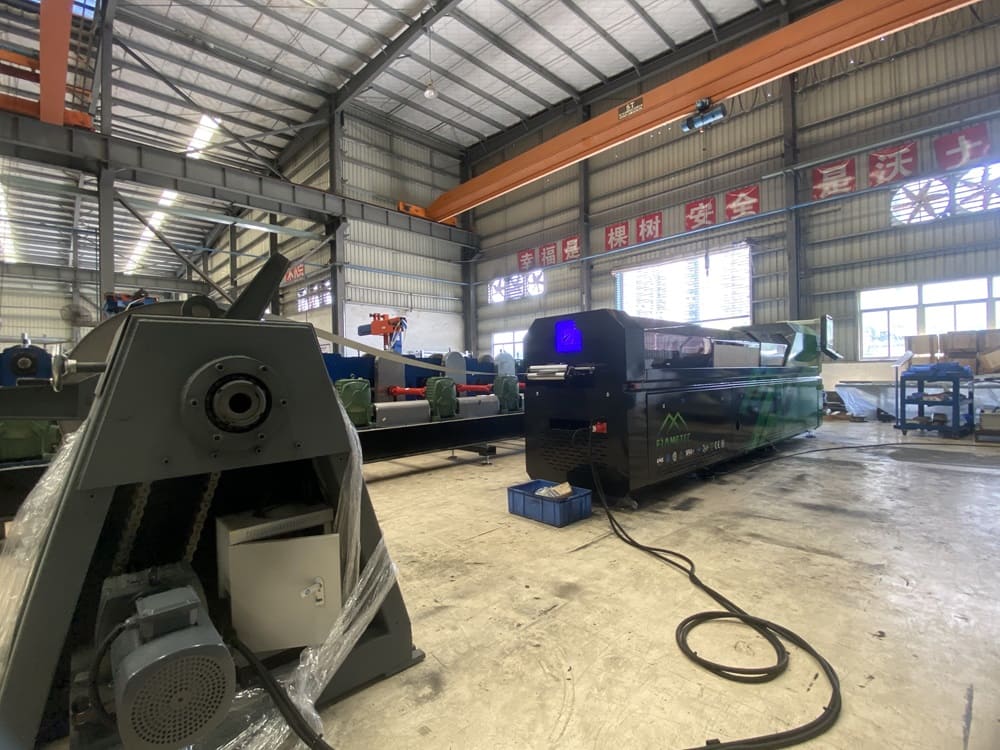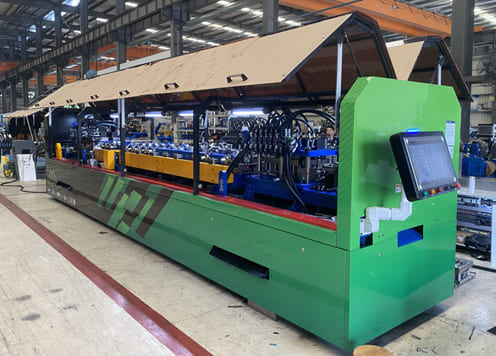
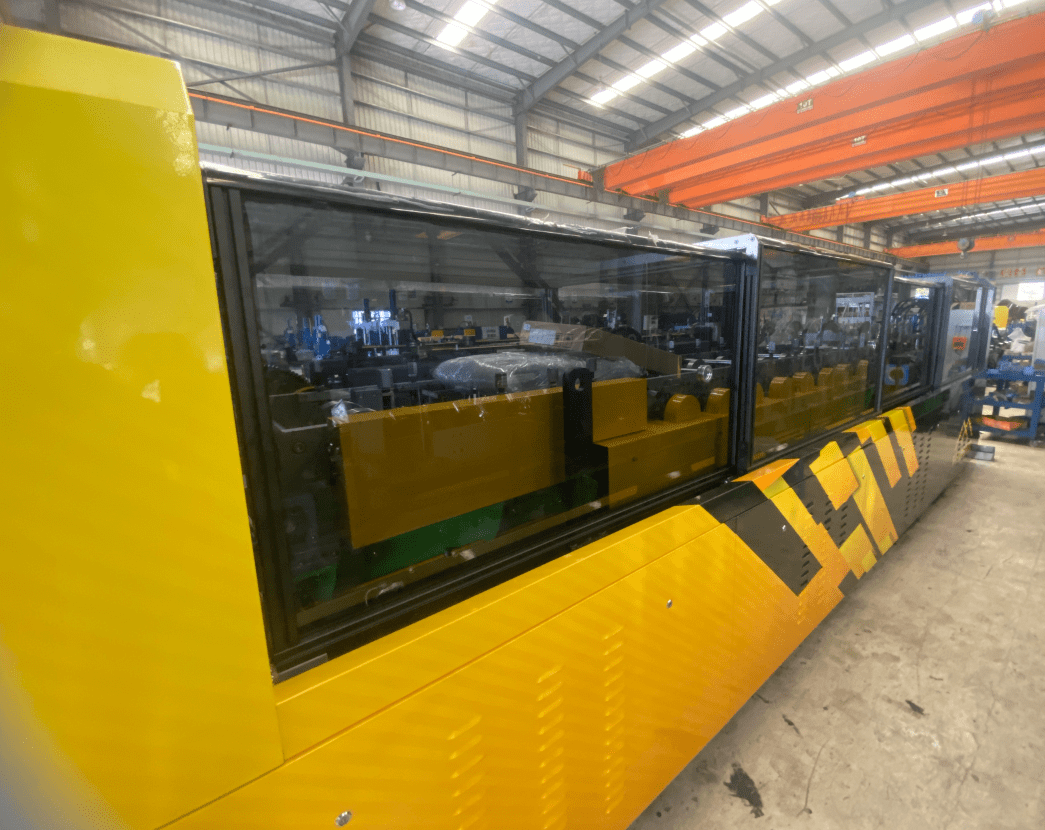
In modern construction manufacturing, a light steel frame machine is no longer just a roll forming unit that shapes steel profiles. It is part of a wider digital production workflow that connects engineering design, CNC data, steel profile manufacturing, and project assembly. For companies building a competitive framing business, understanding how an LGS machine fits into this workflow is essential.
A light gauge steel framing machine becomes much more valuable when it works as part of a complete design-to-production process. Instead of relying on manual interpretation of drawings, the factory can move from digital design to machine-controlled output with greater speed, consistency, and accuracy.
Why Digital Workflow Matters in Steel Framing Production
Traditional construction manufacturing often depends on manual drawing interpretation, repeated checking, and on-site adjustments. In contrast, a modern steel framing machine works best when the workflow begins with engineering software and ends with ready-to-assemble steel framing components.
This digital workflow matters because it improves:
- production accuracy
- repeatability
- project coordination
- factory efficiency
- control over profile dimensions and hole positions
For manufacturers using a light steel frame roll forming machine, the connection between digital design and machine output can significantly influence both productivity and finished component quality.
Step 1: Structural Design and Engineering
The workflow usually starts with structural design. At this stage, project information is organized into buildable framing logic, including:
- wall layouts
- floor framing requirements
- roof truss or support members
- connection details
- profile specifications
For a factory using a light steel framing production line, this stage defines what the machine must produce and how precise that output must be.
Step 2: CNC Data Conversion
Once the engineering work is complete, the next step is converting design information into machine-readable production data. This is where CNC workflow becomes important.
A modern steel frame machine or light gauge steel framing machine performs best when it receives structured data that reduces manual intervention. The advantage of this process is that the machine can produce framing members based on detailed instructions rather than operator estimation.
This helps reduce:
- dimensional error
- inconsistent punching positions
- repeated manual setup
- production waste
Step 3: Machine-Based Framing Production
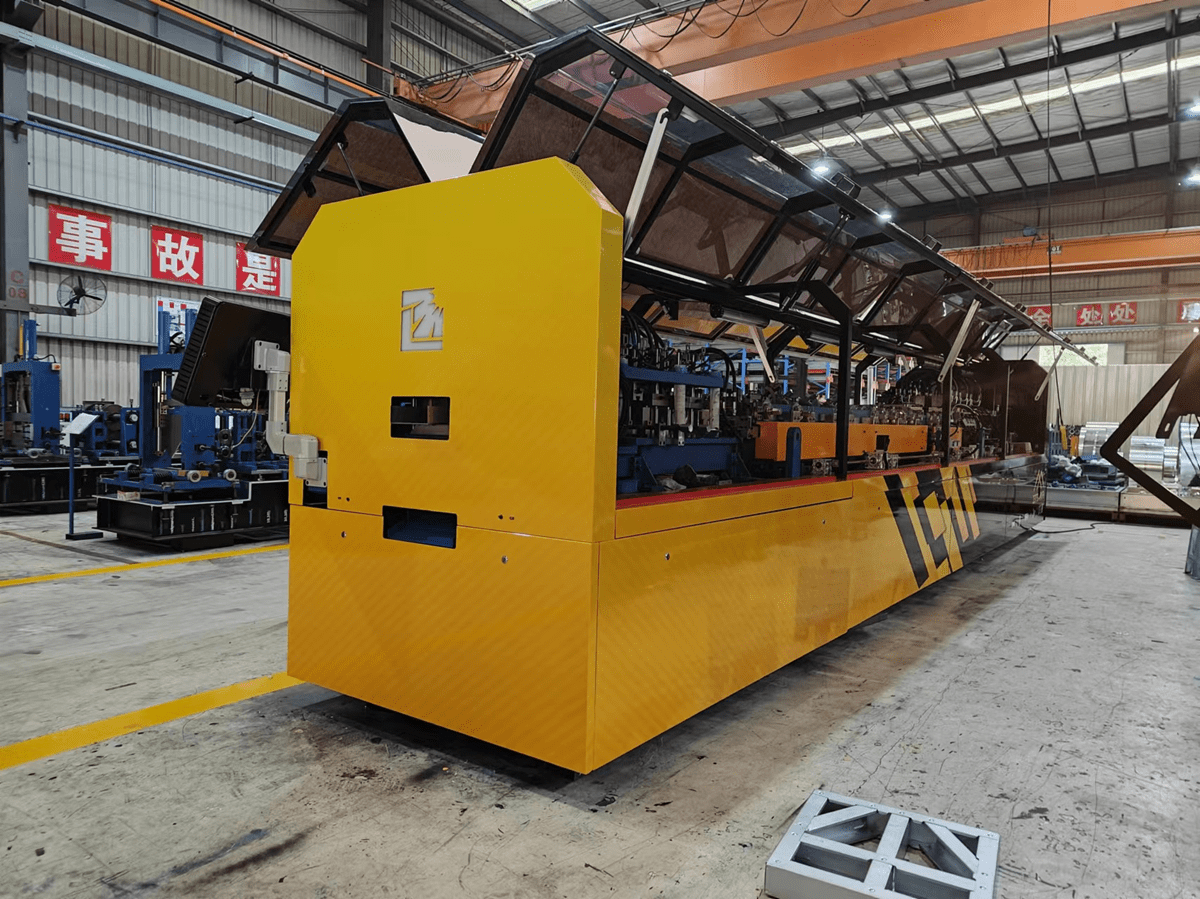
At the core of the workflow is the LGS machine itself. Depending on the project and machine type, production may include:
- wall framing members
- stud and track profiles
- floor joist sections
- roof framing components
- modular structural members
A multi profile LGS machine is especially useful in this workflow because it allows a factory to produce multiple sizes or framing types from a more flexible system. For modular housing, prefab villas, and off-site building systems, that flexibility becomes a major advantage.
Why Software Compatibility Is Important
Software compatibility matters because a roll forming machine for steel framing performs more efficiently when it can work within a structured digital production process.
Without good compatibility, even a strong light steel frame machine may be forced into a more manual workflow. That can slow production and reduce the value of automation.
By contrast, when design and production work together well, the manufacturer gains:
- faster project preparation
- cleaner production logic
- more reliable framing output
- better alignment between design intent and final product
Which Machines Benefit Most from Digital Workflow
Different machine categories all benefit, but some applications especially depend on design-to-machine coordination.
Wall framing machine
A wall framing machine benefits from precise data because wall systems must align with doors, windows, structural load points, and assembly layout.
Floor joist machine
A floor joist machine often needs careful dimensional control because floor systems affect overall building platform accuracy, especially in modular and apartment projects.
Multi profile LGS machine
A multi profile LGS machine benefits from digital workflow because it is often used in more varied projects where profile changes and design flexibility matter.
Heavy duty LGS machine
A heavy duty LGS machine also depends on structured production data, especially when used for larger structural members, multi-storey projects, or light commercial framing.
How This Supports Different Construction Models
A digitally connected steel framing machine supports different business types, including:
- prefab housing manufacturers
- modular house producers
- steel villa construction companies
- panelized construction suppliers
- off-site framing factories
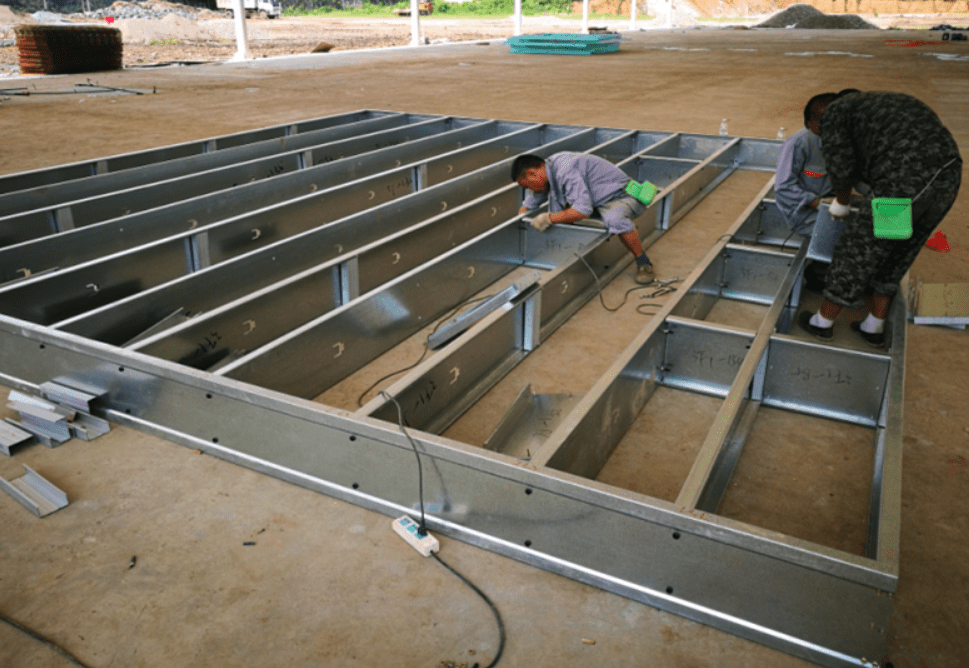
For these businesses, the machine is not only producing sections. It is part of a repeatable system that connects design, production, and assembly.
An LGS machine fits best into a modern construction business when it works as part of a digital design and CNC workflow. In that environment, a light steel frame machine, light gauge steel framing machine, or steel frame machine becomes more than equipment. It becomes part of a complete production system built around speed, precision, and repeatability.
For growing factories, the real advantage of digital workflow is not only automation. It is the ability to turn design into production in a more controlled and scalable way.
FAQ
What is the relationship between a light steel frame machine and CNC workflow?
A light steel frame machine becomes much more efficient when it works with CNC production data. Instead of depending on manual drawing interpretation, the machine can receive structured instructions for forming, punching, and cutting.
Why is digital design important for an LGS machine?
Digital design provides the production logic behind the machine. A well-configured LGS machine uses this information to produce framing members with better consistency and less manual correction.
Can a light gauge steel framing machine work without digital workflow?
Yes, but it may lose much of its efficiency. A light gauge steel framing machine performs better when it is integrated into a design-to-production process rather than relying mainly on manual setup and interpretation.
Which machine types depend most on CNC workflow?
A wall framing machine, floor joist machine, multi profile LGS machine, and heavy duty LGS machine all benefit from CNC workflow, especially when they are used in modular, prefab, or multi-component framing production.
Why does software compatibility matter in a steel framing machine?
Software compatibility helps the steel framing machine match digital design requirements more accurately. This improves production speed, reduces errors, and supports repeatable framing output.
Is CNC workflow useful for modular house framing machine applications?
Yes. A modular house framing machine benefits greatly from CNC workflow because modular production requires precise, repeatable framing members that fit into an organized assembly system.
Does digital workflow reduce labor in a light steel framing production line?
It can reduce manual interpretation, repeated checking, and production correction. In a light steel framing production line, that can improve efficiency and make the process easier to standardize.
Is this workflow only for large factories?
No. Even smaller manufacturers using a light steel frame roll forming machine can benefit from a more digital workflow, especially if they want to improve repeatability and prepare for future growth.