In light steel construction, not all structural systems do the same job. Two of the most important categories are wall framing systems and floor joist systems. They are closely related, but they serve different structural functions and often require different production logic.
For buyers evaluating machine configuration, understanding the difference between wall framing and floor joist systems is essential. It helps determine whether one machine is enough, whether a specialized machine is needed, and how the framing business should be structured.
What Is a Wall Framing System
A wall framing system is mainly used to create the vertical structural framework of a building. In light steel construction, wall framing generally includes:
- studs
- tracks
- wall panels
- load-bearing or non-load-bearing framing members
Wall framing is central to residential housing, villas, panelized systems, and modular structures. It often represents the starting point for companies entering light steel framing production.
What Is a Floor Joist System
A floor joist system is used to support floor structures and transfer loads across the building platform. In light steel construction, floor joists are especially important in modular systems, off-site construction, apartments, and light commercial buildings.
Compared with wall framing, floor joist systems often involve:
- stronger structural loading requirements
- different section geometry
- service hole design
- integration with cassette floor production
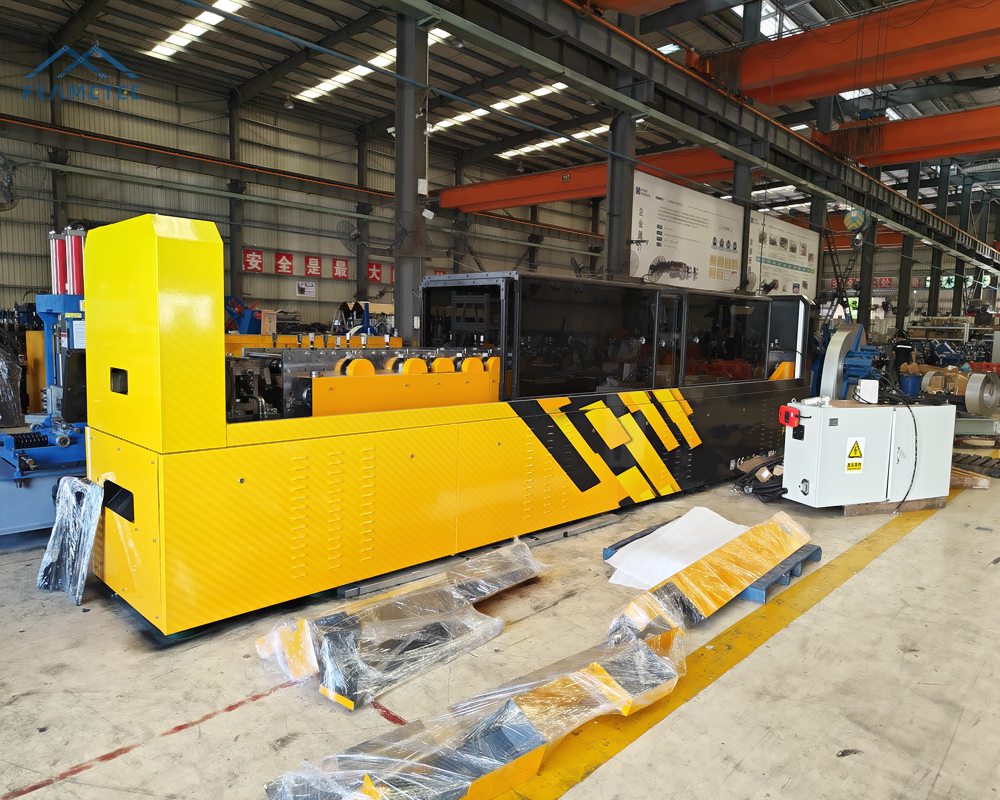
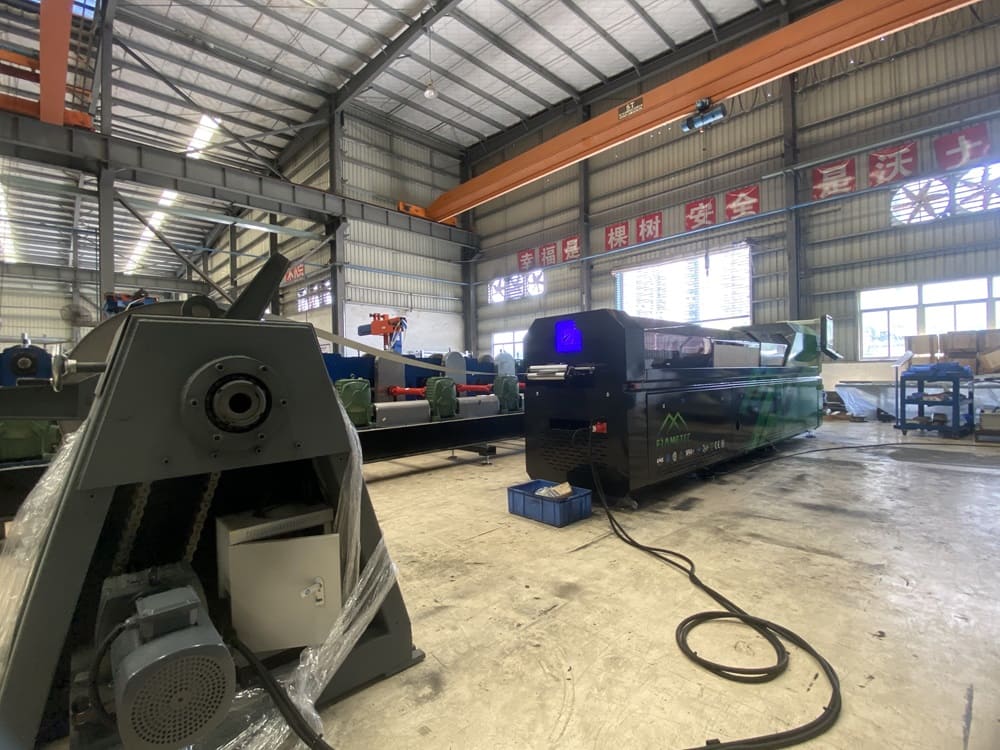
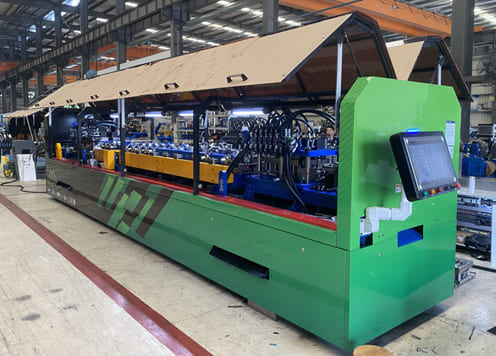
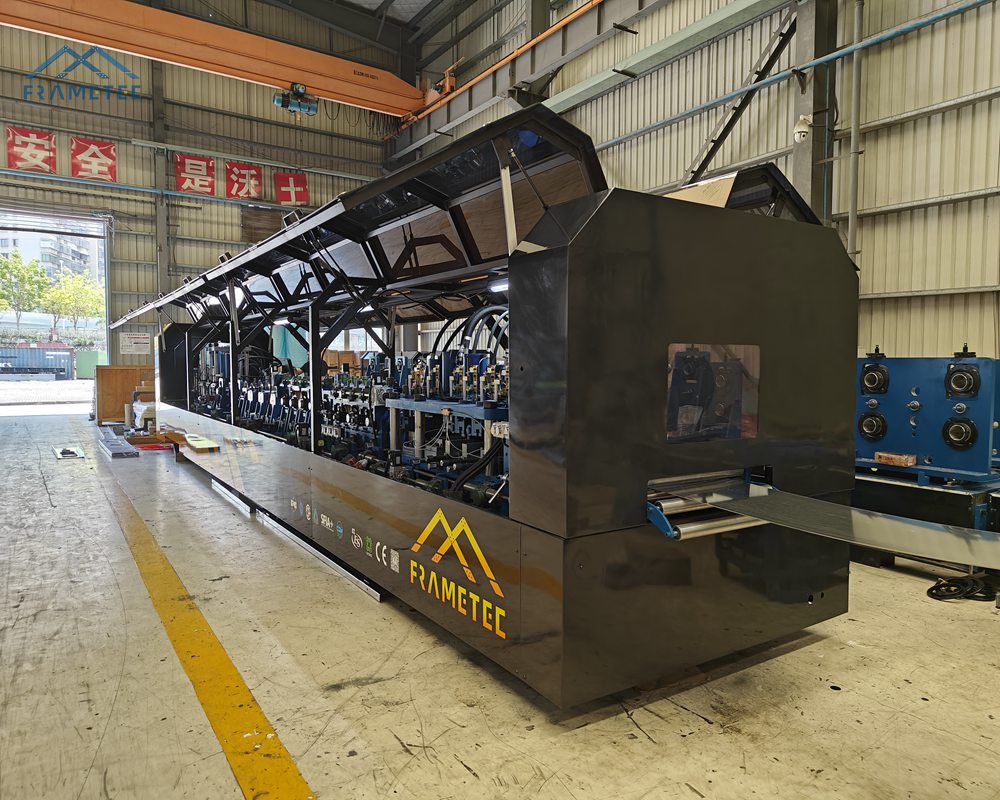
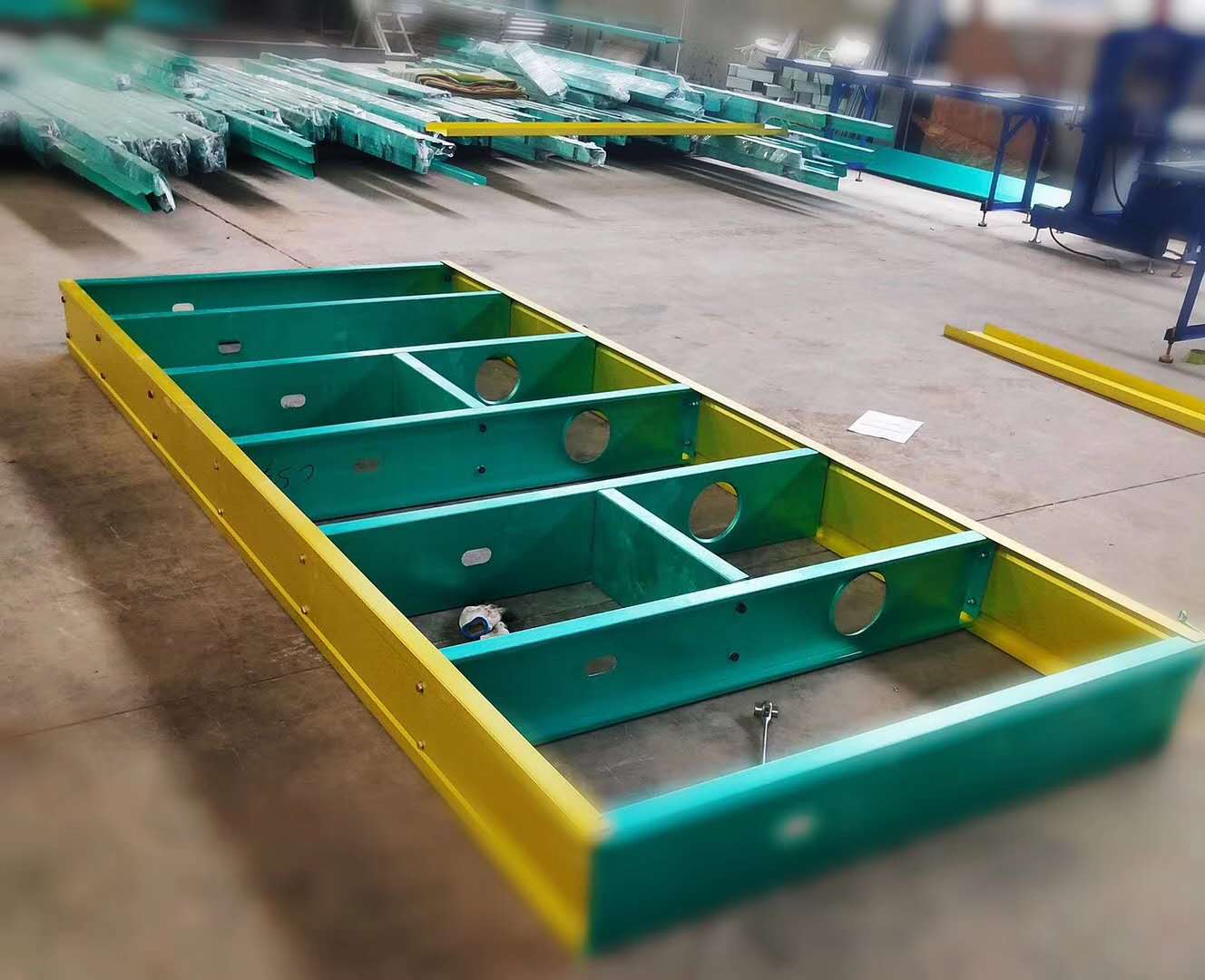
Frametec’s product pages for SFS-CU200-350 and LG300 / SFS-CC300 engineered floor joist show this direction clearly. One is described around floor joist cassette manufacturing for apartments and commercial buildings, while the other emphasizes engineered floor joists, flush floor lining, modular units, and output for floor cassettes.
Main Differences Between Wall Framing and Floor Joists
Structural Role
Wall framing supports vertical enclosure and load transfer through the wall system. Floor joists support horizontal structural performance and carry floor loads.
Section Requirements
Wall profiles are often designed around stud and track systems, while floor joist members are shaped for stronger floor support and may include larger service holes or engineered floor features.
Application Focus
Wall framing is common across almost every light steel project. Floor joist systems become especially important in modular housing, off-site construction, apartments, and projects where floor cassettes are part of the manufacturing model.
Machine Selection Logic
Some machines are mainly wall-framing oriented, while others are dedicated to floor joists. There are also multi-purpose systems that bridge both areas.
Can One Machine Cover Both Needs
Sometimes yes, but not always.
Frametec’s SFS-CU140-305 is one example of a machine positioned for both wall and floor joist use, which makes it relevant for factories seeking wider versatility from one system. On the other hand, machines like SFS-CU200-350 or LG300 / SFS-CC300 are more clearly presented around floor-joist-focused output.
This means the answer depends on your business model:
- If your production is lighter and broader, one versatile machine may be enough at the start.
- If floor systems are a major product line, a dedicated floor joist machine may be the better solution.
When Wall Framing Should Come First
For many new light steel framing businesses, wall framing is the first priority because:
- it is central to most housing systems
- it is the easiest entry point into framing production
- it supports residential, villa, and panelized construction
If the company is still building its first stage of production capability, starting with wall framing may be the more practical route.
When Floor Joist Systems Become Essential
Floor joist production becomes more important when the company focuses on:
- modular house production
- apartment or multi-unit buildings
- off-site floor cassette systems
- light commercial projects
- engineered floor packages
At that stage, floor systems stop being an extra capability and become a core product.
Wall framing systems and floor joist systems are both essential in light steel construction, but they serve different structural and business purposes.
Wall framing usually provides the starting framework for most projects. Floor joist systems add deeper structural capability, especially in modular and off-site construction. The right machine choice depends on which part of the building system your factory plans to produce most seriously.
FAQ
What is the main difference between wall framing and floor joist systems?
Wall framing creates the vertical frame of the building, while floor joist systems support the horizontal floor structure. They serve different structural roles and often require different profile designs.
Is wall framing more common than floor joist production?
Yes. Wall framing is usually the starting point for most light steel construction businesses because it is required in nearly every building type. Floor joist systems become more important in modular, multi-unit, and off-site projects.
Can one machine produce both wall framing and floor joists?
Some machines can. Frametec’s SFS-CU140-305 is positioned for both wall and floor joist applications, while some other models are more focused on floor joist output.
Why are floor joist systems so important in modular construction?
Because modular buildings often rely on cassette floors or integrated floor structures manufactured in advance. A dedicated floor joist machine helps improve suitability for that production model.
Should a new factory invest in wall framing first or floor joists first?
In many cases, wall framing comes first because it covers a broader range of basic building needs. However, if the business is built specifically around modular flooring or engineered floor systems, floor joists may need to be prioritized earlier.
Are floor joist machines only for commercial projects?
No. They are also highly relevant in modular housing, apartments, and engineered residential floor systems. Their value is not limited to commercial buildings.
What does a buyer need to consider before choosing between wall framing and floor joist machine investment?
The buyer should consider project type, whether floor systems are central to the production plan, whether modular or off-site construction is a core business direction, and whether one versatile machine can realistically support both functions.